My father-in-law ended up in the hospital last winter with viral pneumonia. He’s 72, generally healthy, but this knocked him flat. What surprised me most was how different the treatment approach was compared to when my kids had bacterial pneumonia years ago.
No antibiotics. No quick fixes. Just supportive care, monitoring, and waiting for his immune system to fight it off. The doctors were clear – viral pneumonia requires a completely different strategy than bacterial infections.
Watching him go through treatment taught me that elderly patients face unique challenges. Their immune systems don’t bounce back as quickly. Complications develop faster. What might be a week of misery for someone younger becomes a serious medical situation for seniors.
Understanding what treatments actually help elderly patients with viral pneumonia matters because the approach focuses on support rather than attacking the virus directly. Here’s what actually works.
Oxygen Therapy Keeps Tissues Functioning
The scariest part of my father-in-law’s hospitalization was watching his oxygen levels drop. Pneumonia fills the lungs with fluid and inflammation, reducing how much oxygen gets into the bloodstream.
For elderly patients, this becomes critical fast. Their bodies already have reduced lung capacity from aging. Add pneumonia on top, and oxygen saturation can drop to dangerous levels quickly.
Supplemental oxygen became his lifeline. They started with a nasal cannula delivering a few liters per minute. When that wasn’t enough, they switched to a high-flow system. The oxygen kept his brain, heart, and kidneys functioning while his lungs healed.
Elderly patients often need oxygen support longer than younger people. My father-in-law was on supplemental oxygen for almost two weeks. His doctors explained that older lungs take more time to clear the infection and reduce inflammation.
Home oxygen sometimes continues after discharge. Some seniors need portable oxygen for weeks or months while their lungs fully recover. It’s not permanent for most viral pneumonia cases, but it’s a critical bridge during healing.
Antiviral Medications For Specific Viruses
Here’s something that confused me initially – antivirals don’t work for all viral pneumonia. They’re only effective against specific viruses like influenza.
My father-in-law’s pneumonia came from influenza, so they gave him oseltamivir within the first 48 hours. The medication doesn’t cure pneumonia, but it can reduce severity and shorten duration if started early enough.
For elderly patients, antivirals make the biggest difference when administered quickly. The problem is most seniors don’t realize they have flu-related pneumonia until several days pass. By then, antiviral effectiveness drops significantly.
Other respiratory viruses causing pneumonia – RSV, coronavirus, adenovirus – don’t have widely available antiviral treatments. For those infections, care focuses entirely on supportive measures while the immune system clears the virus.
The decision to use antivirals depends on testing that identifies the specific virus. Doctors can’t just guess and prescribe – they need confirmation that it’s a virus responsive to available medications.
When researching pneumonia treatment and recovery, understanding that antivirals help only certain viral pneumonias prevents unrealistic expectations about quick fixes.
Hydration And Nutrition Support
Elderly patients with pneumonia get dehydrated quickly. Fever increases fluid loss, breathing problems make drinking difficult, and reduced appetite cuts fluid intake.
My father-in-law needed IV fluids for the first four days. He wasn’t drinking enough on his own, and dehydration was making everything worse. Proper hydration thins lung secretions, making them easier to cough up and clear.
Nutrition becomes challenging when breathing is labored. Eating takes energy and oxygen that seniors with pneumonia don’t have to spare. Small, frequent meals work better than large ones that require extended effort.
Protein intake matters for immune function and healing. The hospital’s dietitian emphasized getting adequate protein to help his body fight the infection and repair damaged lung tissue. Shakes and supplements helped when solid food felt overwhelming.
Electrolyte balance needs monitoring in elderly patients. Fever, reduced intake, and some medications affect sodium and potassium levels. Imbalances create new problems ranging from confusion to heart rhythm issues.
Breathing Treatments And Chest Physiotherapy
Respiratory therapists visited my father-in-law multiple times daily. They administered breathing treatments that opened airways and helped him breathe more effectively.
Nebulized medications delivered bronchodilators that relaxed airway muscles. For elderly patients with underlying lung conditions like COPD, these treatments prevent airways from tightening and making breathing even harder.
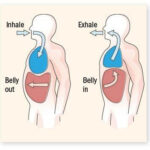
Incentive spirometry encouraged deep breathing exercises. The device provides visual feedback, motivating patients to take deep breaths that expand the lungs fully. This prevents areas of the lung from collapsing and developing additional complications.
Chest physiotherapy involves techniques that help clear secretions from lungs. For elderly patients too weak to cough effectively, therapists use positioning, percussion, and vibration to mobilize mucus so it can be expelled.
My father-in-law resisted these treatments initially – they’re uncomfortable and tiring. But his breathing improved noticeably after sessions, and his chest X-rays showed better clearance of the infection.
Monitoring For Complications
Elderly patients face higher complication risks that require constant monitoring. Pneumonia can trigger heart problems, kidney issues, and confusion that younger patients don’t typically experience.
His care team checked vital signs every few hours. Oxygen saturation, heart rate, blood pressure, temperature – all provided clues about how his body was handling the infection.
Blood tests tracked kidney function, electrolytes, and infection markers. Changes in these values signaled developing problems before they became critical. Early detection allowed quick intervention.
Confusion and delirium happen frequently in elderly pneumonia patients. The combination of low oxygen, infection, and hospital environment disorients many seniors. My father-in-law had two nights of significant confusion that resolved as his oxygen levels improved.
Secondary bacterial infections can develop on top of viral pneumonia. Doctors watched for signs that bacteria had moved in, which would require adding antibiotics to his treatment plan.
Wrapping This Up
Viral pneumonia treatment in elderly patients centers on supporting the body while it fights the infection. No magic pills make it disappear overnight. Recovery depends on giving aging immune systems the help they need.
Oxygen therapy, hydration, nutrition, and breathing treatments form the foundation. Antivirals help when the specific virus responds to available medications. Monitoring catches complications before they spiral.
Patience matters most. My father-in-law took three full weeks to feel normal again. Elderly lungs heal slower, and pushing too hard during recovery risks relapse.
Family support makes a huge difference. Having someone advocate for proper care, help with exercises, and encourage nutrition impacts outcomes significantly. Don’t underestimate how much your presence helps.